
A California Last Will and Testament is a legal document that allows an individual to specify how their property, assets, and personal belongings should be distributed after their passing. The person creating the will is known as the testator.
A will may also be used to appoint an executor, who is responsible for carrying out the instructions outlined in the document and managing the estate administration process.
Creating a will helps ensure that a person’s wishes are clearly documented and that their assets are distributed according to their preferences.
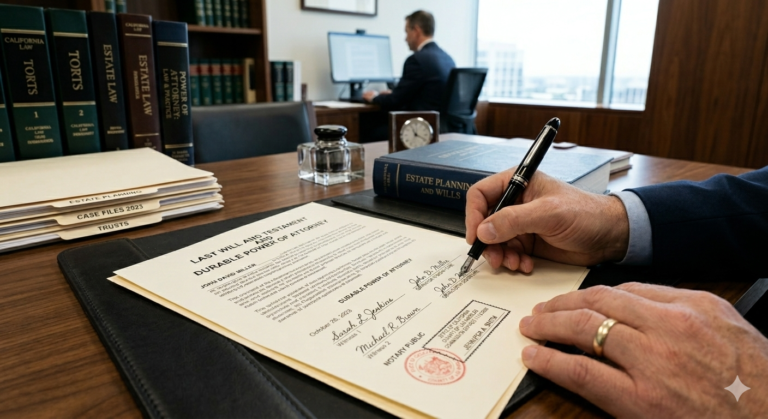
What a California Last Will and Testament May Include
A typical California will may contain the following information:
The name of the person creating the will
Appointment of an executor to manage the estate
Instructions for distributing property and assets
Identification of beneficiaries
Appointment of guardians for minor children (if applicable)
Including these details helps ensure the estate administration process is clearly documented.
Who Should Consider Creating a Will
Many individuals create a will as part of their estate planning. A will may be useful for people who want to:
Specify how their assets should be distributed
Name beneficiaries for their property
Appoint guardians for minor children
Provide clear instructions for handling their estate
Having a will can help provide clarity and direction for family members and estate administrators.
Legal Considerations for Wills in California
California law provides certain requirements that must be met for a will to be considered legally valid. These may include requirements regarding signatures, witnesses, and the mental capacity of the person creating the will.
Because estate planning can involve complex legal considerations, individuals often review the requirements carefully when preparing these documents.
Related California Legal Forms
If you are exploring estate planning or legal documents in California, you may also want to learn about other commonly used forms.
These include:
You can also explore additional documents on the California Legal Forms page.
Frequently Asked Questions
What is the purpose of a last will and testament?
A last will and testament allows an individual to outline how their property and assets should be distributed after their death.
Does a will need to be notarized in California?
Notarization is not always required for a will in California, but the document must meet certain legal requirements such as proper signatures and witnesses.
Can a will be updated?
Yes. A will can generally be updated or replaced if a person wishes to change how their estate will be distributed.

Need Help Locating the Right Legal Form?
Silver Forms provides information about commonly used legal forms and documents. You can explore additional legal forms and resources through the Silver Forms website or click the button below.